Short answer: Yes, if the images will drive maintenance decisions. Pointing a thermal camera is easy; reading it well is not. Shiny metal reflects, readings change with load and sun, and a hot spot isn’t always a fault. A Category 1 (Level I) course, run to ISO 18436, teaches one person to take reliable images and report them properly.
Why the camera alone isn’t enough
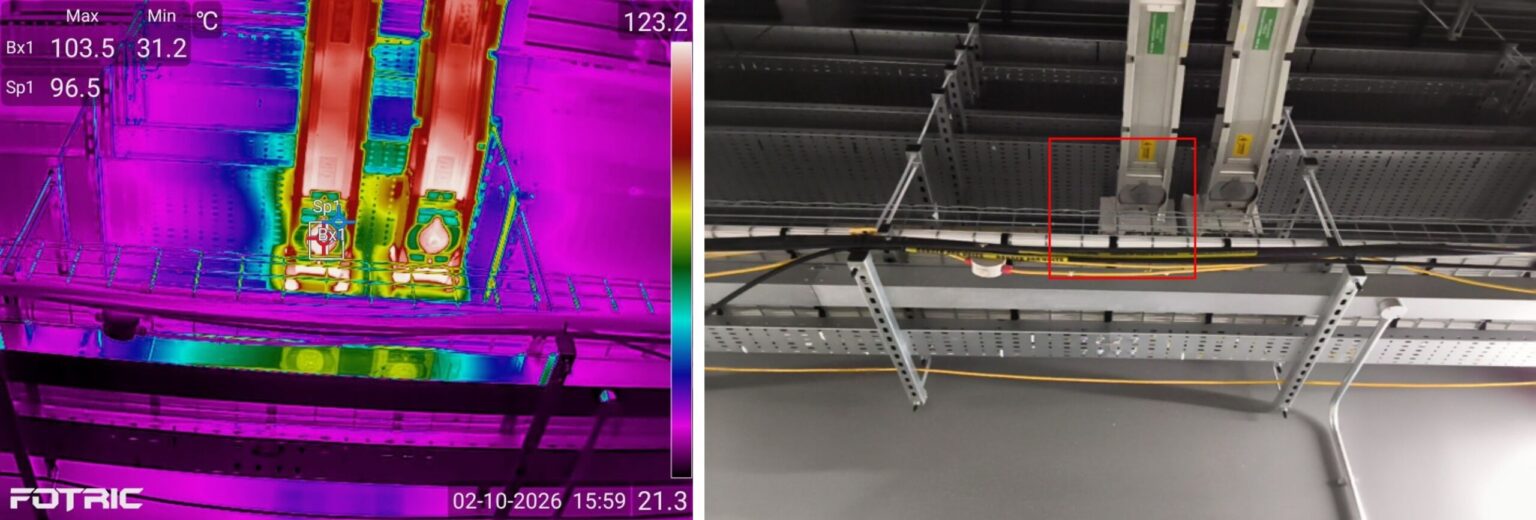
Most new users get a clear, colourful picture on day one. The problems show up later: a “hot” busbar that is only reflecting the lights, a panel checked at night when it was barely loaded, an outdoor cabinet that looked alarming because it had been in the sun all afternoon. None of these are camera faults. They are reading faults, and they are the things a Level I course is built around.
Who on the team should go
- The person who will hold the camera and write up the findings. Not the manager who signed for it.
- At least one person per site or shift that will run routine checks, so the camera doesn’t sit in a cupboard when that person is on leave.
- Whoever reviews the reports, if they will be deciding what gets repaired first. They don’t always need the full course, but they need to know what a reliable image looks like.
What a Category 1 (Level I) course covers
- The basics of infrared: what the camera is really measuring.
- Setting up and using the camera in different conditions.
- Judging the measurement situation on site and spotting the usual sources of error, such as reflections, load and sun.
- Carrying out inspections to a written procedure.
- Reporting what you found in a way an electrician or maintenance planner can act on.
The course follows the ISO 18436 requirements for Category 1 thermographers and can be taken fully online.
What’s different about using a camera in the UAE
- Sun. Outdoor cabinets, rooftop plant and kiosks pick up heat from the sun. A trained user knows to compare like with like and when to come back at a different time of day.
- Load. Many sites run lighter at night and at weekends. Panels need to be working under normal load when they are checked, or a developing problem can look fine.
- Open panels. Most electrical checks need covers off. That means a permit, the right PPE and someone authorised to open the panel, all agreed before the camera comes out.
Before or after you buy the camera?
Either works, but before is better. People who have done the course know which features they will really use, and they buy accordingly. If the camera is already on site, book the course before it goes into routine use, so bad habits don’t set in.
Own camera, outside survey, or both?
Many UAE sites do both. A trained in-house user checks the critical boards regularly and follows up on repairs. An independent survey once a year covers the whole site, gives a second pair of eyes and produces a report that insurers and auditors recognise.
Proof
Since 2018 Ti has trained thermographers for UAE inspection bodies, an energy company, offshore and engineering contractors, and research teams, alongside our own electrical and gas surveys across the Emirates.
FAQ
Can the course be done online?
Yes. The next online Category 1 class runs over four days, 23 to 26 November 2026.
Do I need my own camera for the course?
Ask us when you book. It helps to bring the camera you will use at work, so the practical parts match what you’ll do on site.
Is Level I enough to grade faults?
Level I users take reliable images and report them against a written procedure. Setting that procedure and deciding severity is usually done by a Level II thermographer.
Is there a next step after Level I?
Yes, Category 2 (Level II), for people who will write procedures and sign off findings.
Can a team be trained together?
Yes. Tell us how many people and which sites they cover, and we’ll suggest the simplest route.
Talk to us: +971 4 560 7296 · sales@thermalimaging.ae · Contact page